
Native advertising for businesses has emerged as a powerful tool for brands looking to engage consumers authentically. This marketing strategy blends seamlessly into the platform it appears on, allowing companies to deliver their message without disrupting the user experience. By understanding its nuances, businesses can effectively connect with their audience in a meaningful way.
This form of advertising encompasses various formats, from sponsored articles to in-feed ads, each designed to resonate with specific consumer behaviors and preferences. As brands increasingly prioritize building trust and credibility, native advertising plays a pivotal role in shaping perceptions and influencing purchasing decisions.
Understanding Native Advertising
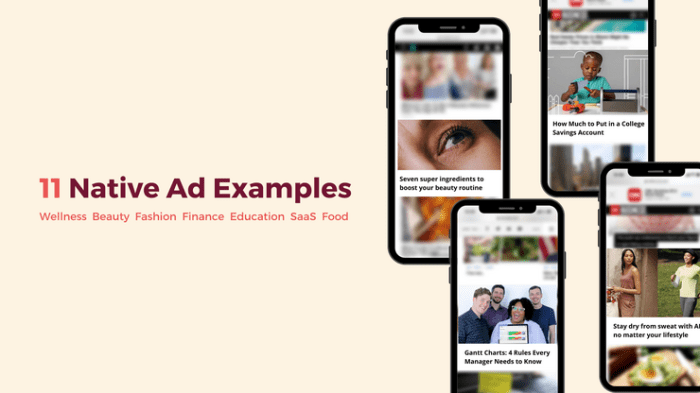
Native advertising is a marketing strategy that aligns the content of advertisements with the form and function of the platform on which it appears. This approach is significant for businesses as it allows them to engage audiences in a more seamless and less intrusive way compared to traditional advertising methods. By integrating promotional content into the user experience, businesses can enhance visibility and foster a positive brand perception, making it essential in today’s competitive landscape.Various formats of native advertising are utilized across different industries, each tailored to suit specific audience preferences and platform characteristics.
Some common types include:
Types of Native Advertising Formats
The diversity of native advertising formats allows businesses to choose options that best fit their marketing goals and target demographics. The following formats illustrate the versatility of native advertising:
- Sponsored Content: Articles or posts that are paid for by brands but match the style and tone of the publisher’s content. For example, a fashion brand creating a blog post about seasonal trends on a lifestyle website.
- In-feed Ads: Ads that appear within the content feed of a website or app, such as sponsored posts on social media platforms that blend naturally with user-generated content.
- Recommended Content: Links that appear at the end of articles or within content, suggesting related articles or products, which are often sponsored by brands. These can be seen on news sites directing readers to further reading sponsored by advertisers.
- Paid Search Ads: Ads that resemble organic search results, designed to appear natural within search engine results pages. A common sight on Google where ads are marked but match the look of organic listings.
The impact of native advertising on consumer behavior and brand perception is profound. By providing valuable content that resonates with consumers, brands can cultivate trust and enhance credibility. Unlike traditional ads, which consumers often overlook, native advertising can create a more engaging experience. Brands that utilize native advertising effectively often see higher engagement rates and improved customer loyalty.
“Native advertising transforms promotional content into a valuable experience for the consumer, enhancing interaction and brand affinity.”
The strategic implementation of native advertising can dramatically affect how consumers perceive a brand. A business that invests in high-quality, relevant native ads can not only improve its visibility but can also establish itself as an authority in its field. Recognizable examples include major publications partnering with brands to create sponsored articles that inform and entertain, further exemplifying the effectiveness of this advertising approach.
Implementing Native Advertising Strategies
Creating an effective native advertising campaign involves a clear understanding of your audience, goals, and the channels through which you want to reach them. Native advertising can seamlessly blend into the user experience, making it crucial to develop strategies that resonate with your audience while aligning with your brand message.To kick off an effective native advertising campaign, businesses should follow a structured approach.
This begins with defining the campaign objectives, including brand awareness, lead generation, or driving sales. Next, understanding the target audience is essential to ensure that the content is tailored to their preferences and needs.
Steps to Develop a Native Advertising Campaign
The implementation of a native advertising strategy can be broken down into several key steps:
1. Define Campaign Objectives
Clearly Artikel what you want to achieve with your native ads. Whether it’s boosting website traffic or increasing social media engagement, specific goals will guide your strategy.
2. Identify Your Target Audience
Conduct thorough research to better understand your audience’s demographics, interests, and online behavior. This ensures that your content is relevant and relatable.
3. Choose the Right Platforms
Select platforms that align with your target audience. Common options include social media channels, blogs, and news websites that allow for native ad placements.
4. Create Engaging Content
Develop content that offers value to the audience. This could be in the form of articles, videos, or infographics that inform and entertain while subtly promoting your brand.
5. Integrate with Existing Marketing Channels
Ensure your native ads complement your overall marketing strategy. This could involve aligning messaging across social media, email marketing, and traditional advertising to create a cohesive branding experience.
6. Launch and Promote
Once everything is in place, launch your campaign and promote it across your chosen platforms. Utilize paid placements if necessary to enhance visibility.
7. Monitor and Adjust
After launch, continuously monitor the performance of your native ads. Use analytics tools to track engagement and make adjustments as needed to optimize the campaign.
Integration of Native Ads within Existing Marketing Channels
Integrating native advertising into your existing marketing channels can amplify the campaign’s effectiveness. Some strategies to consider include:
Coordinated Messaging
Ensure that your native ads convey a consistent message that aligns with your other marketing materials. For example, if your social media campaign focuses on sustainability, your native ads should reflect this theme.
Cross-Promotion
Use your existing channels to promote your native ads. For instance, share links to your native content on your social media platforms to increase reach.
Repurposing Content
Take advantage of existing content by adapting it into native ads. This not only saves time but also reinforces your branding by maintaining a consistent narrative.
Metrics to Measure Success of Native Advertising Efforts
To evaluate the effectiveness of your native advertising efforts, consider tracking the following metrics:
Engagement Rate
Analyze clicks, shares, and comments to gauge how well your audience interacts with your content.
Conversion Rate
Monitor how many users take desired actions, such as signing up for a newsletter or making a purchase, after engaging with your native ad.
Brand Awareness
Use surveys or brand lift studies to assess any increase in brand recognition or recall among your target audience.
Traffic Metrics
Track referral traffic from native ads to your website or landing pages, measuring how well the ads drive potential customers to your desired destinations.
“Effective measurement is key to understanding the impact of your native advertising and refining future campaigns.”
By following these steps, integrating seamlessly, and measuring success accurately, businesses can effectively implement native advertising strategies that resonate with their audience and achieve their marketing goals.
Native Advertising in Relation to Business Disciplines
Native advertising serves as a dynamic tool that can enhance various business disciplines, particularly in branding strategies, consulting services, and management development. The integration of native advertising allows businesses to align their marketing efforts seamlessly with content consumption, leading to a more cohesive brand image and customer engagement. This section explores the multifaceted role of native advertising in bolstering business strategies and its best practices across different domains.
Enhancing Branding Strategies
Native advertising significantly enhances branding strategies by promoting a more authentic connection with audiences. When businesses create content that aligns with the interests and needs of their target demographic, they establish credibility and foster trust. This method not only amplifies visibility but also reinforces brand identity through storytelling and relatable content. Key aspects of how native advertising contributes to branding include:
-
Increased Engagement:
Content that feels native is more likely to be consumed and shared, increasing brand reach.
-
Consistency Across Platforms:
Native ads maintain brand voice and visual identity across different media, reinforcing brand recognition.
-
Enhanced Customer Experience:
By providing valuable content, brands can enhance user experience, resulting in stronger customer loyalty.
Best Practices for Business Consulting Services
For business consulting services, leveraging native advertising requires a strategic approach that emphasizes value and expertise. Consultants should focus on delivering insights that address specific client challenges while showcasing their unique value proposition.Essential practices include:
-
Targeted Content Creation:
Develop content tailored to specific industries or client needs, ensuring relevance and applicability.
-
Utilization of Thought Leadership:
Position your consulting firm as an authority by sharing expert opinions and case studies that highlight successful outcomes.
-
Partnerships with Relevant Platforms:
Collaborate with platforms that resonate with your target audience to enhance visibility and credibility.
Role in Business Management and Development
In the realm of business management and development, native advertising plays a crucial role in facilitating growth and innovation. It provides a platform for businesses to communicate their objectives effectively while engaging with stakeholders in a meaningful way. The impact of native advertising on management strategies includes:
-
Market Insights:
By analyzing audience reactions to native ads, businesses can gain valuable insights into market trends and consumer preferences.
-
Agility in Marketing Strategies:
Native advertising allows for quick adaptations in messaging based on real-time performance data, fostering more agile marketing efforts.
-
Increased Collaboration:
Native ads can bridge communication gaps between departments by aligning marketing efforts with overall business goals.
Ending Remarks
In summary, native advertising for businesses represents a unique opportunity to create impactful connections with consumers while enhancing brand image. By implementing effective strategies and measuring success through defined metrics, businesses can harness the full potential of this approach. Embracing native advertising not only fosters stronger relationships with customers but also positions brands as valuable content providers in a crowded marketplace.
Quick FAQs
What is native advertising?
Native advertising is a form of paid media that matches the form and function of the platform on which it appears, providing a non-disruptive advertising experience.
How does native advertising differ from traditional advertising?
Unlike traditional advertising, which often interrupts the user experience, native advertising integrates into the content, making it less intrusive and more engaging.
What are some examples of native advertising?
Examples include sponsored articles, social media ads that blend with user feeds, and in-app advertisements that resemble app content.
How can businesses measure the success of native advertising?
Success can be measured through various metrics such as click-through rates, engagement levels, and conversion rates, depending on campaign goals.
Is native advertising suitable for all types of businesses?
Yes, native advertising can be tailored to fit various industries and business types, making it a versatile option for many marketers.


